Someone had to make the first commitment, persuade the neighbours, sign the investment or take responsibility for the plant. Meet eight people who helped turn energy consumers into owners, producers and market participants.
A small revolution begins when someone decides that the energy bill can have another future.
Fuck the system. Fuck the grid. Let's build our own.
XPower's editorial provocation. The people below have their own words and stories. Many of their projects earn income through cooperation with the grid.
01 / INVERTERS
Ursula Sladek
The parents who bought the grid
Ursula Sladek · EWS Schönau · Germany
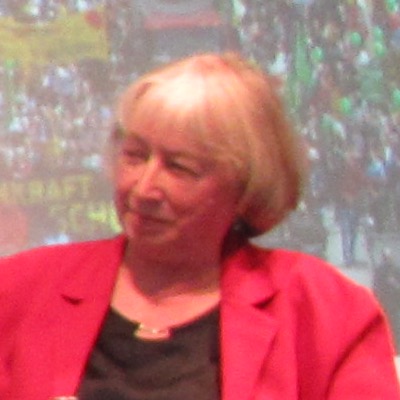
After Chernobyl, a mother of five and trained teacher began asking what she and her neighbours could change. Saving electricity led to a harder question: who controlled its supply? Ursula and Michael Sladek worked with other families, campaigners and investors. Two local votes and years of fundraising eventually put the town's grid in citizens' hands in 1997. [1, 2, 3]
The takeover gave electricity customers a stake in the business supplying them. The community built a utility, supported small generators and developed a wider supply operation. The Goldman Prize's 2011 account records cooperative dividends and reinvestment in renewables. [2]
What the evidence establishes. A documented transfer of ownership and an operating citizen energy business. Individual household net profit is not established.
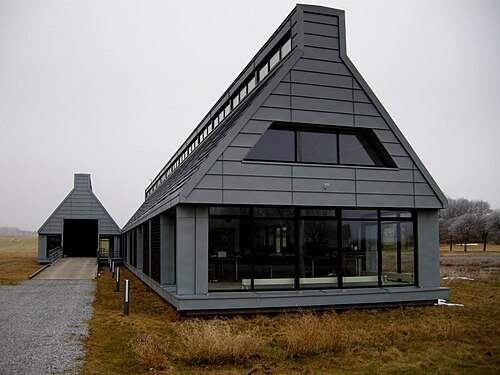
Hermansen grew up on Samsø and trained as a farmer. In 1997, he became the renewable-energy initiative's first employee. His work brought local people into the project and connected them with shared ownership. That meant understanding the island's relationships as well as the equipment. [4]
The transition developed through cooperative traditions, local networks, public support and expert help. The Energy Academy later became a place where other islands could learn from the experience. Hermansen gives a human face to the patient work of making a community capable of acting together. [6, 7]
What the evidence establishes. A community-ownership precedent. The wider electricity network continues to play a role; annual energy balances do not mean permanent independence.
V. J. Kurian · Cochin International Airport · India
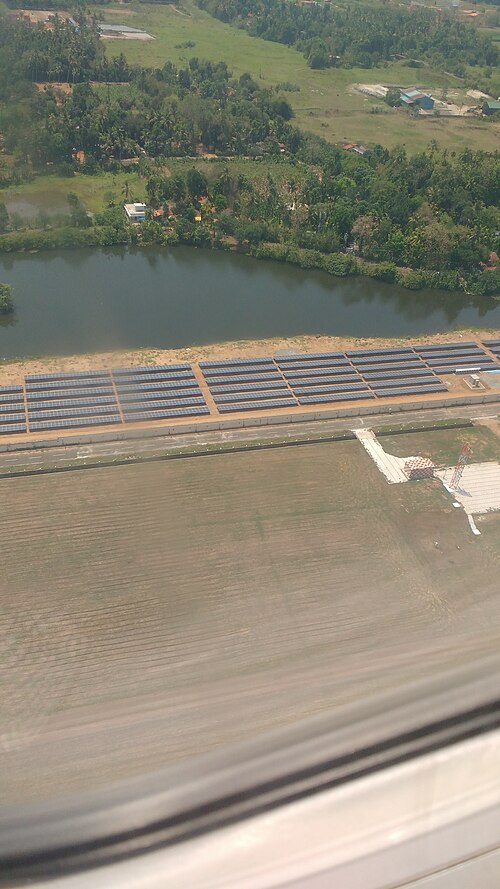
A manager's attention to everyday waste runs through Kurian's account of his career. At Cochin, a 1 MWp solar installation in 2013 created a working precedent. A 12 MWp addition followed in August 2015, during his tenure as managing director. The airport developed the capability to produce an essential input to its own operations. [9, 10]
Founding chairman K. Karunakaran, investors, engineers, the board and later leadership all belong in the story. CIAL Infra's FY2025/26 power sales reached INR 374.748 million, with INR 313.229 million sold to the parent. Later financial results show the institution's development; credit for subsequent expansion belongs to the teams that delivered it. [11, 12]
What the evidence establishes. Owned generation and disclosed power revenue. Parent-company sales remain internal to the group. The solar airport claim concerns electricity, not aircraft fuel.
Jef Colruyt · Colruyt Group and the Parkwind story · Belgium
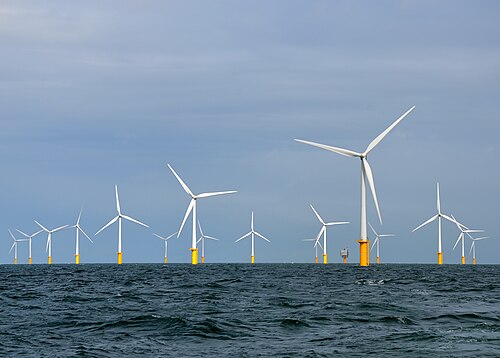
Jef Colruyt led the retail group as CEO from 1994 to 2023. Its own history dates the first Halle wind turbine to 1999. A retailer's interest in efficiency grew into a much larger commitment: in 2009, Colruyt Group, Korys and PMV took the lead in the troubled Belwind project. [13, 14]
Specialists including François Van Leeuw and Eric Antoons helped turn sponsorship into an offshore development business. Parkwind was created in 2012. Virya sold it to JERA in July 2023 for approximately EUR 1.6 billion, net of debt and transaction costs at Virya level. The scale of the sale makes the value of the energy business tangible. [14, 15]
What the evidence establishes. Historical development and a completed asset sale. The transaction value is separate from recurring profit; Parkwind changed ownership in 2023.
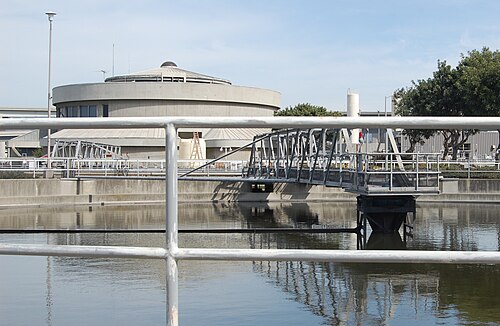
Williams, EBMUD's wastewater director at the 2012 milestone, recalled scepticism about bringing fats, oils and grease into the plant. His team saw useful energy in material other people needed to discard. The work responded to an essential service's exposure to energy costs. [18]
Organic wastes help feed digestion, which produces biogas for electricity generation. EBMUD reports that its Oakland plant produces more renewable power onsite than it needs and sells the excess. In 2022, the Port of Oakland announced a ten-year agreement to buy that electricity. The operating team had created a saleable output while continuing to treat wastewater. [20, 21]
What the evidence establishes. Documented energy surplus and an external power customer. Sales revenue, disposal income and full operating costs require separate accounting.
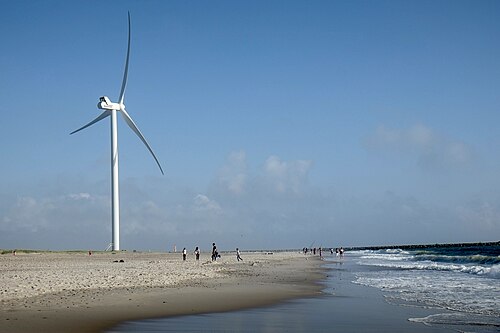
Rauhe is the heating utility's technical operations manager: a person who has to make the system work every day. In an operator interview, he describes the company's 2018 purchase of three turbines and how stronger surplus-power sales helped reduce heating bills during 2022. [22, 24]
A 2026 account describes an electric boiler, a heat pump and heat storage, alongside the town's renewable resources. The practical freedom lies in choosing when to use electricity and when to sell it. Residents experience the result through the cost of keeping their homes warm. The profile credits Rauhe's operating role without assigning every investment to him personally. [23]
What the evidence establishes. A named operator's account of revenue supporting customer tariffs. The exceptional 2022 outcome is historical, with no guarantee of repetition.
Masayoshi Son · Japanese SB Energy initiative · Japan
Son's own account connects his renewable-energy commitment to the 2011 earthquake, tsunami and Fukushima accident. SoftBank established the Japanese SB Energy that October. Corporate sponsorship became an operating business, with solar and wind assets in Japan and a wind project in Mongolia. [25, 26]
Son supplied capital sponsorship and public advocacy; subsidiary managers and project teams delivered the plants. In April 2023, Toyota Tsusho completed its acquisition of 85% of the Japanese company, renamed Terras Energy. SoftBank retained 15% at that transaction. The ownership change belongs in the story alongside the founding decision. [26, 27]
What the evidence establishes. Historical diversification into energy production and sales. The Japanese and US SB Energy businesses are distinct. Group-wide net energy profit is not established.
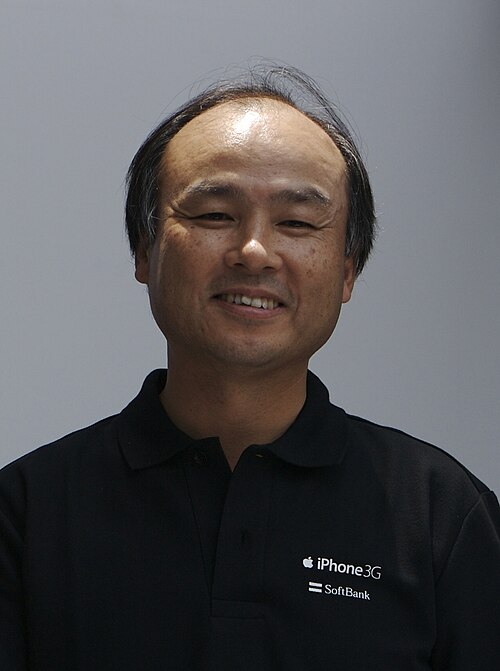
Masayoshi Son, 11 July 2008. Archival portrait extracted by the source uploader from an event photograph; predates the energy initiative. Masaru Kamikura / Wikimedia Commons · CC BY 2.0
Jukka-Pekka Salmenkaita · Elisa / Gridle · Finland and Estonia
Salmenkaita came to the energy opportunity through AI, network data and digital services. Mobile-network batteries already had an essential job: protecting communications during power failures. Elisa developed coordination that could also bring them into electricity balancing markets, while retaining their resilience function. [28, 29, 31]
In May 2026, Elisa announced operating deployment across its Estonian network, with upward and downward reserve participation. The announcement names Salmenkaita as Gridle's managing director. Here the new business grows out of an existing necessity: controlled battery capacity becomes a service that can earn market income. [30]
What the evidence establishes. Storage, optimization and commercial flexibility. Batteries store energy. Announced programme size is kept separate from fully commissioned capacity.
Inverters is our editorial name for the people behind energy inversion. These are researched profiles, with historical roles and later project outcomes kept separate. The English report contains short sourced quotations, teams, timelines and economic boundaries. Two portraits and five project photographs have confirmed reuse terms. Links lead to other original interviews and portraits. No new interviews or synthetic photographs are presented.
Masayoshi Son, 11 July 2008. Archival portrait extracted by the source uploader from an event photograph; predates the energy initiative. Masaru Kamikura / Wikimedia Commons · CC BY 2.0


.jpg)
.jpg)
_on_July_11,_2008.jpg)